

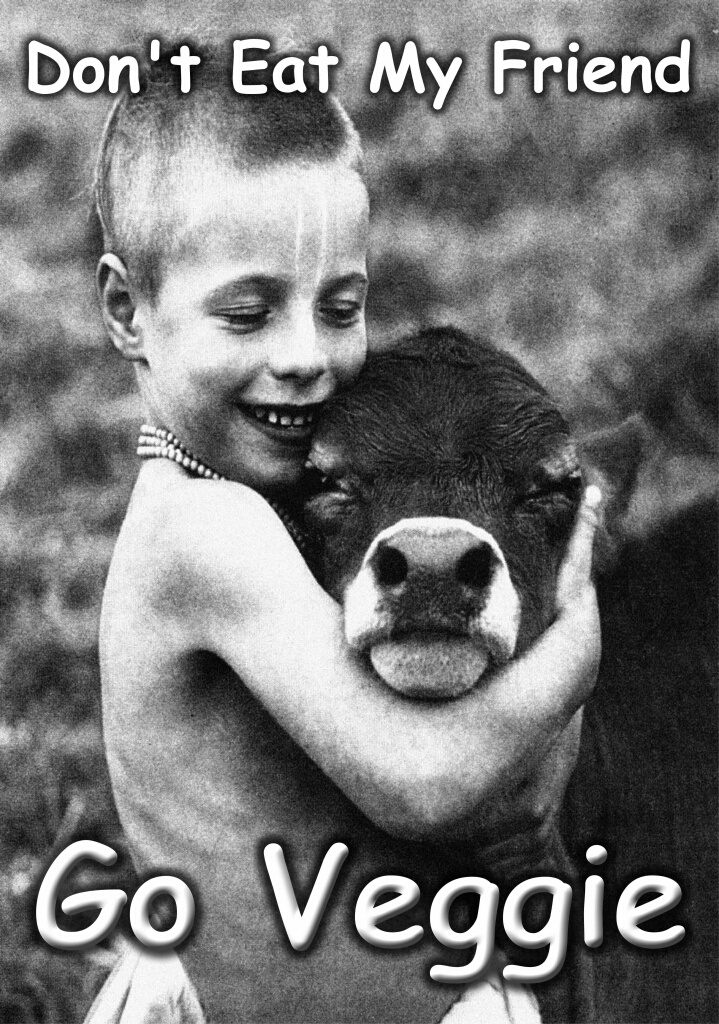
Click here for the latest from our friends at the International Society for Cow Protection (ISCOWP)


"There exists a deep ecological tradition in Vedic culture by which human settlement, forests and water resources are carefully balanced. To achieve that balance, nature's welfare and human welfare cannot be separated each other. For this reason Vedic ecology teaches that the earth and the cow are to be loved and cared for as mothers. As such, culture -- including the cultivating of land for crops -- is an outward expression of spirituality. As a painting expresses the spirit of the artist, culture expresses the spirit of society. Vedic culture has lasted for many thousands of years and is still visible even today. It's a way of life that's lasts forever, is self perpetuating and regenerating."
"Whether you're reading the sagacious words of Wendell Berry, or the biting commentary of Vandana Shiva, their conclusions are the same: The skills, aptitudes and attitudes that were necessary to industrialize the Earth are not the same as those that are needed now to heal the Earth, or to build durable economies and good communities.
We agree wholeheartedly... but our analysis goes one layer deeper to include the spiritual dimension. Without recognizing the role spirituality has traditionally played in preserving our planet's delicate web of life, we're easily tricked into believing that secular science will come-up with a green techno-fix to save the day. It's those brainy scientist types, not the sages of yore who deserve our veneration, so goes conventional thought.If Western education has driven the planet to a point of crises, what is wrong with that education? And secondly, can any current Western educational institution -- whether it's orientation is secular or Judeo-Christian -- identify what's gone wrong and offer courageous or inspired leadership?What's needed is not more education but education tempered with wisdom--education the teaches the value of local, the interconnectedness of everything, cooperation over competition and conscience over efficiency. Let's do an about-face. Is there a model that can dismantle the scaffolding of ideas, philosophies and ideologies that constitutes the modern world view? Let's look to the East."
"No-Harm Mini-Farms will focus on food varieties that stress plant-based diets and plant-based protein sources, including milk from a resurgent family-owned dairy industry. Domesticated farm animals-especially cows-will reappear as welcomed additions to the rural and urban landscape. Animals will be protected and valued as co-authors in the revival of cereal grain production and soil fertility renewal."
"The real future of this whole thing is village life, where we develop ways to communicate and entertain and grow our own food, raise our children, educate, that is so location specific that it works. You develop loving, interdependent relationships with people, mutually interdependent relationships. That's our background actually. That's where were all actually coming from. That's what we're all looking for.
Defining relationships in this universe that are not competitive. They're cooperative. They're interdependent.The fact is that we're divine in origin. We are spirit souls. We are not bodies. We need a farming system and a philosophy that drives that farming system that recognizes the position of the soul and revers it as sacred. You're not completely non-violent, but it means how and when that violence is enacted. Its done very carefully.Beyond being vegetarian is making a sacrament of your food, and in the Hare Krishna Movement this is called taking, or honoring prasadam. You re still karmically accountable for vegetables that are killed Its not as severe, but its there. You're taking life to maintain your life. How do you get out of that? I need to eat, but it always involves taking life. The way out is to make sacrament of the food. To take it from a source that's acceptable to be offered and the mentality, the consciousness of how you grow it, harvest it, store it, how you cook it, serve it, is done in spiritual consciousness. This is called honoring prasadam.It is honoring the arrangement of nature by which all these things are given to us graciously for our sustenance so we can get on with our real business, which is self-realization."
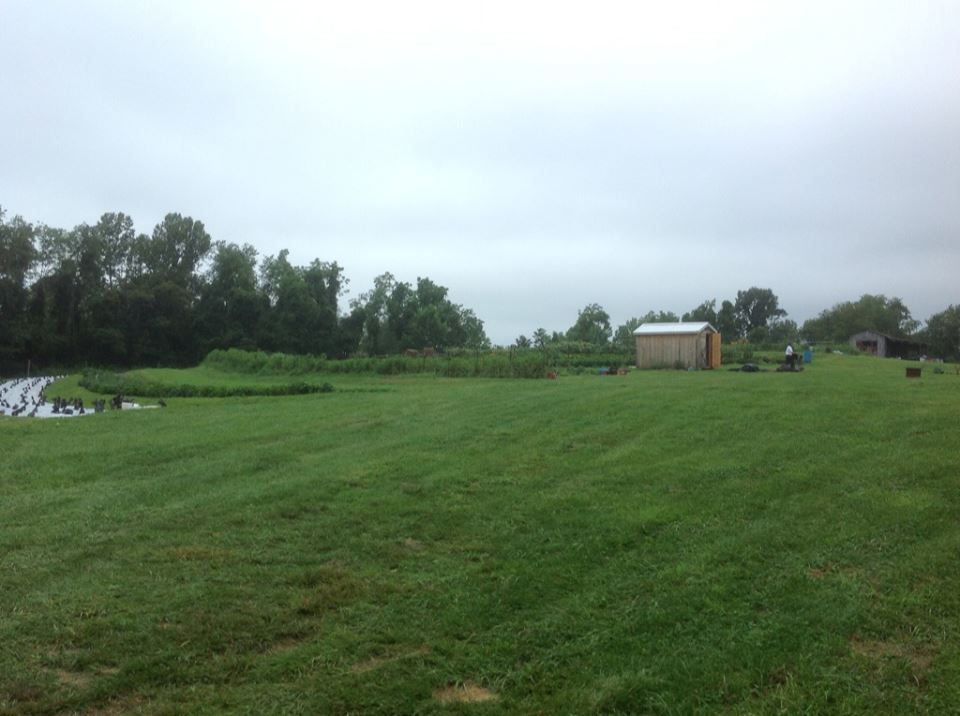
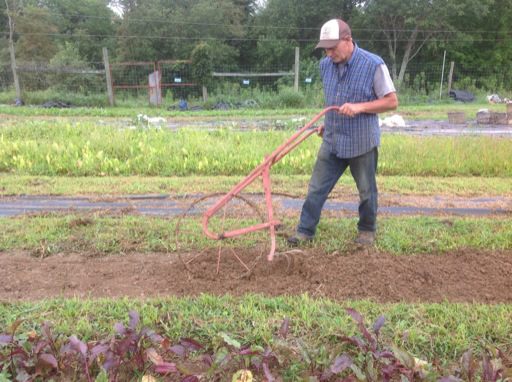
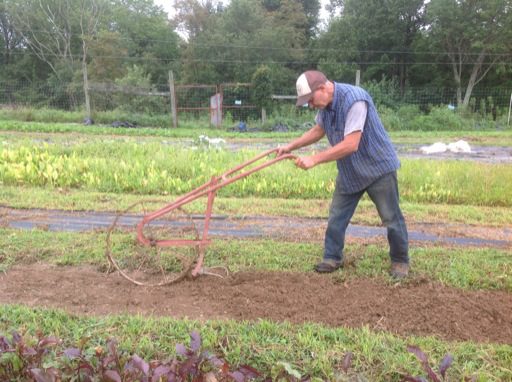
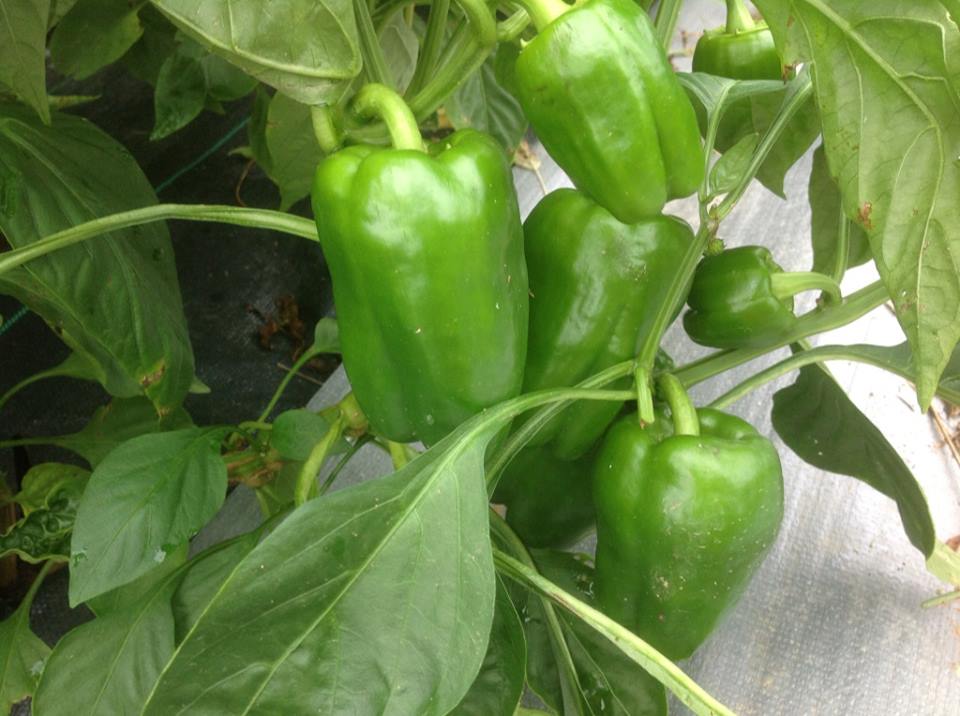
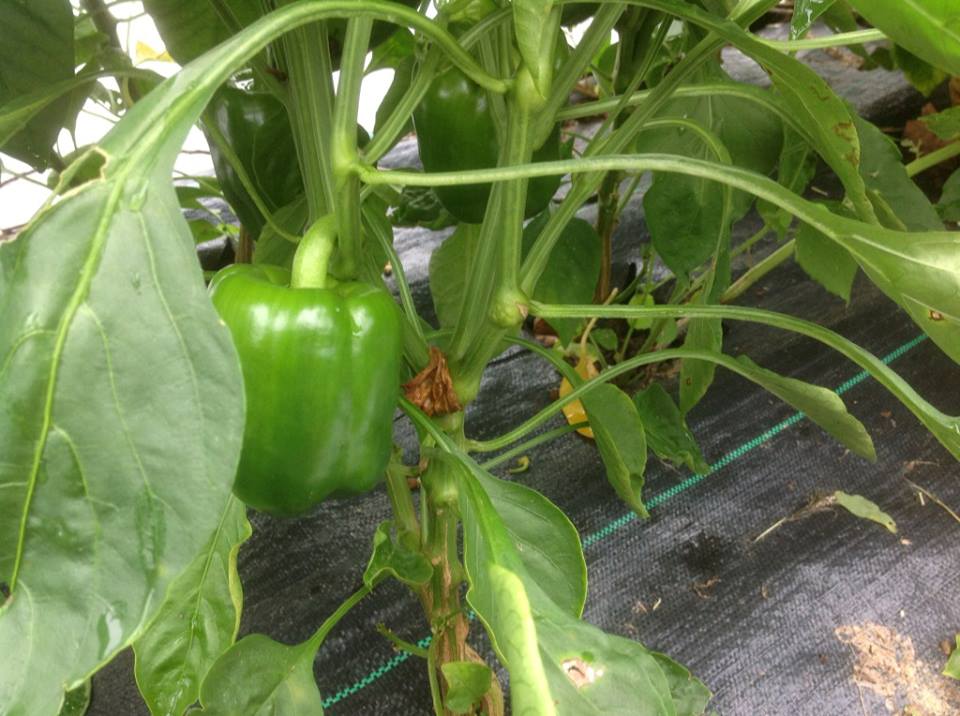
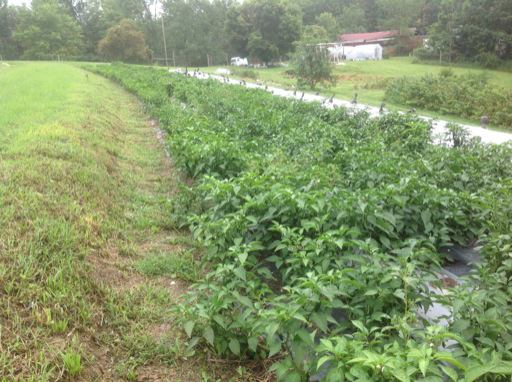
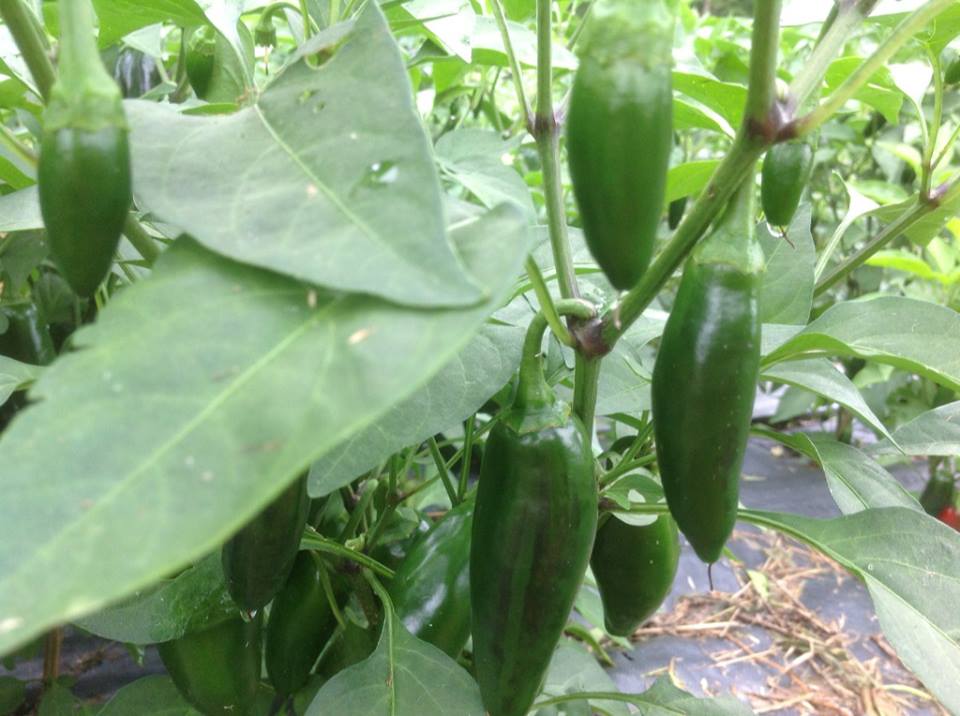
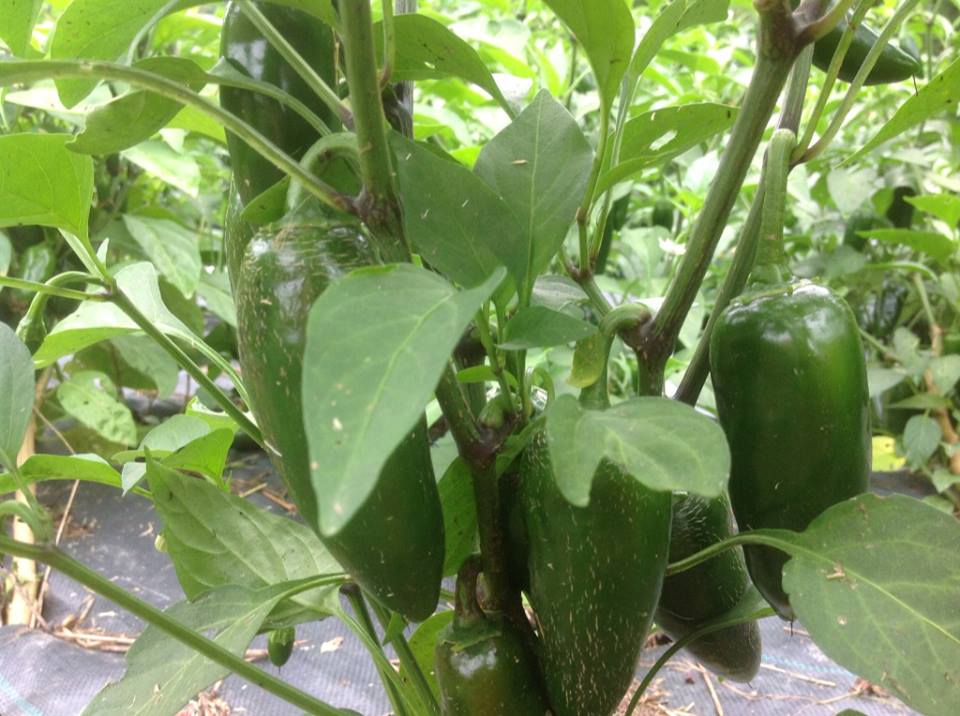
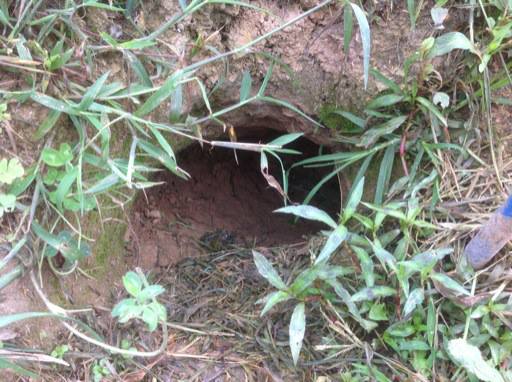
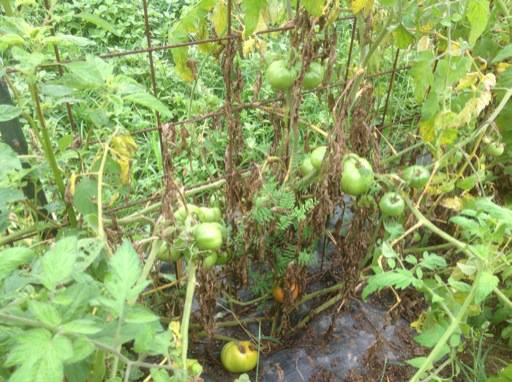
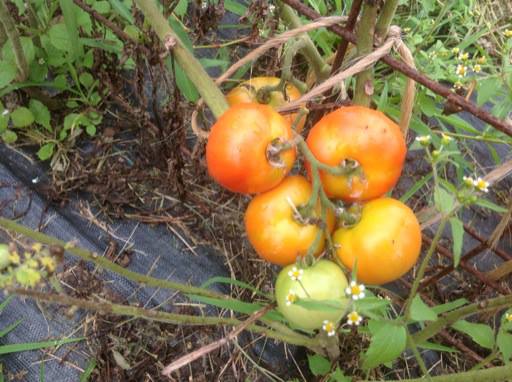
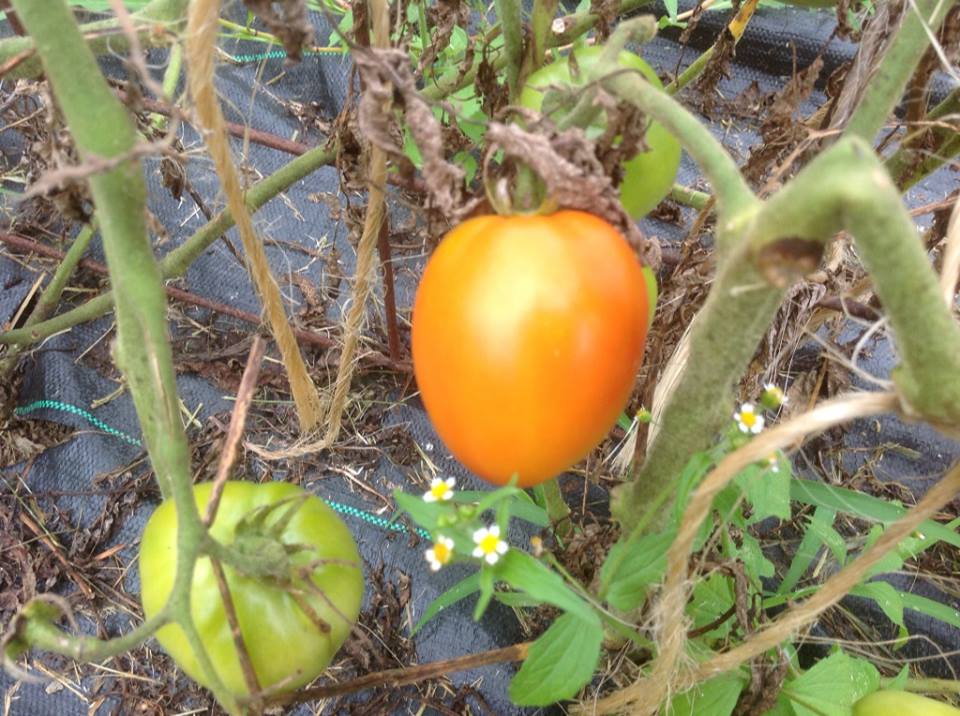
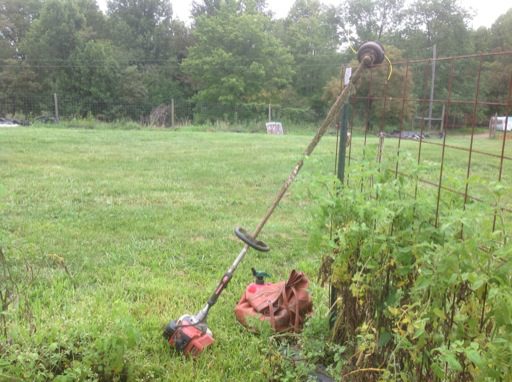
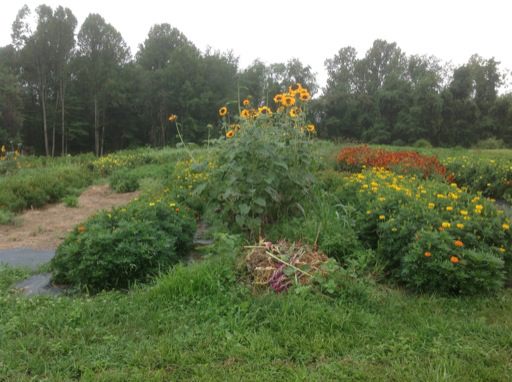
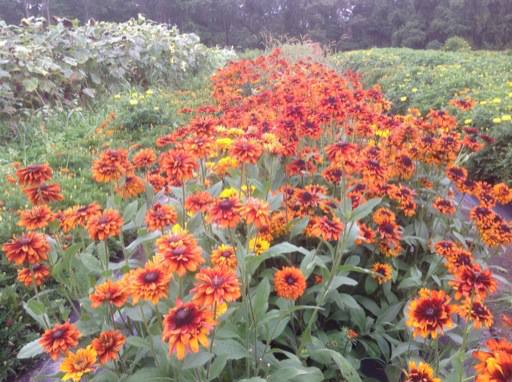
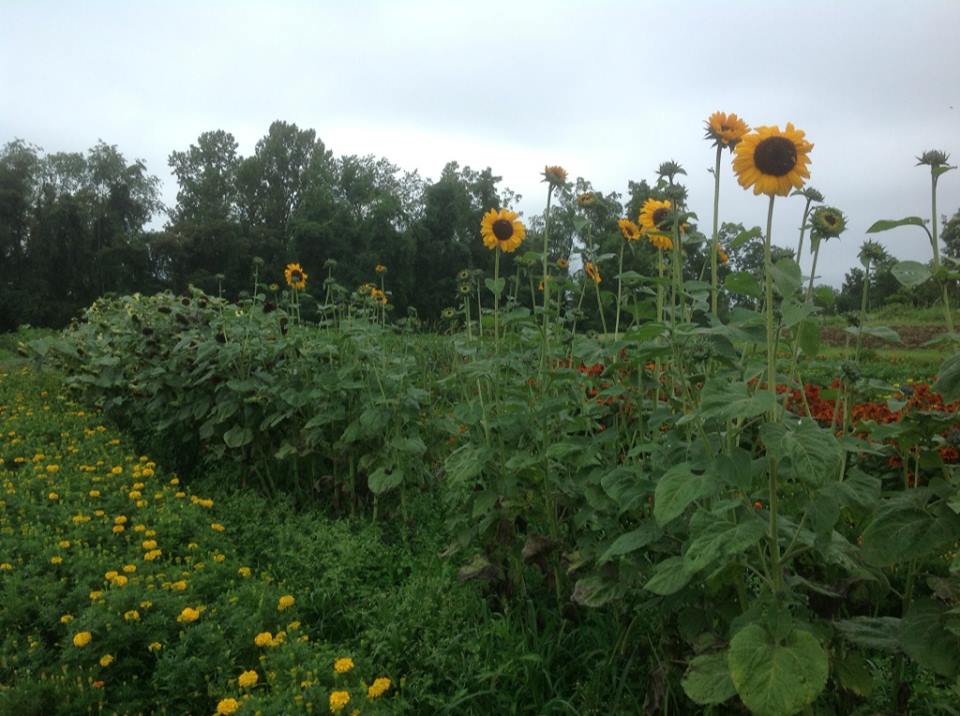
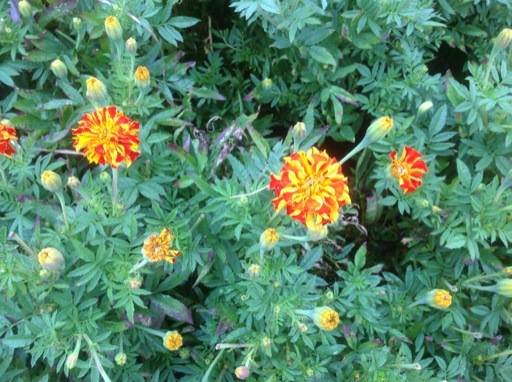
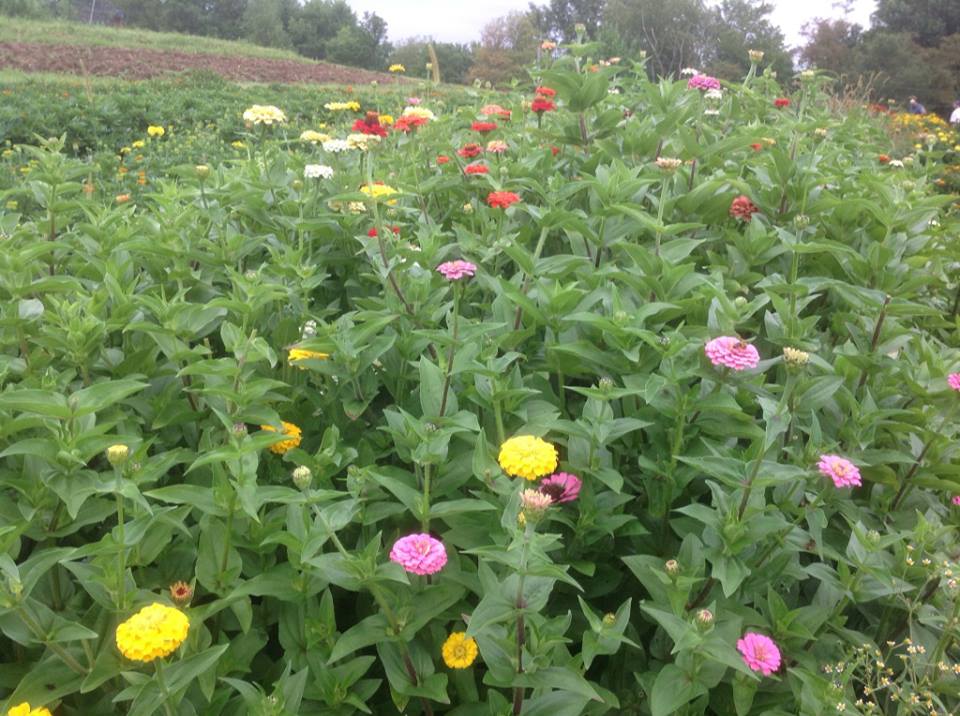
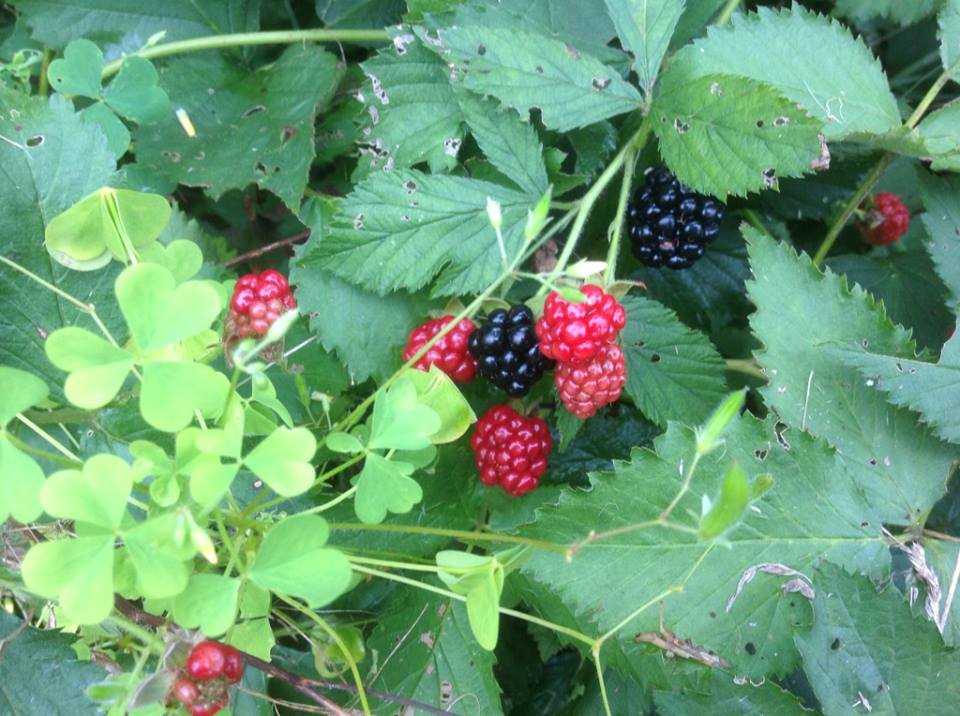
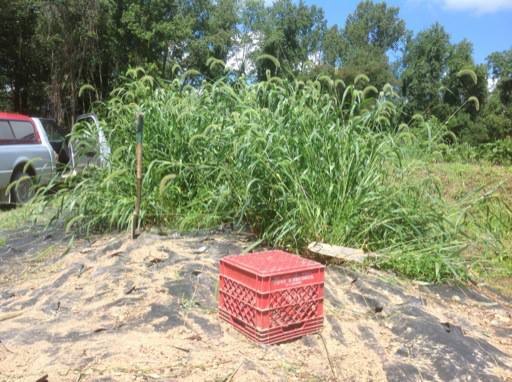
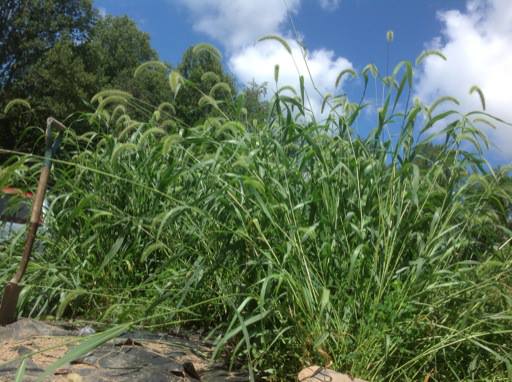
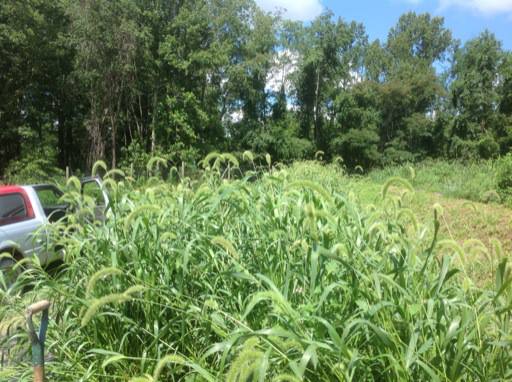
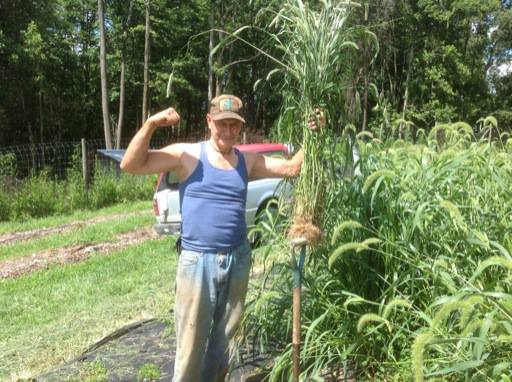
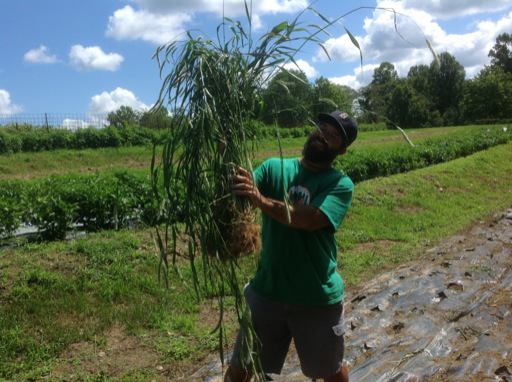
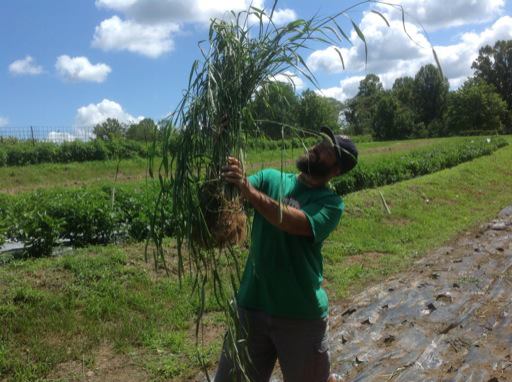
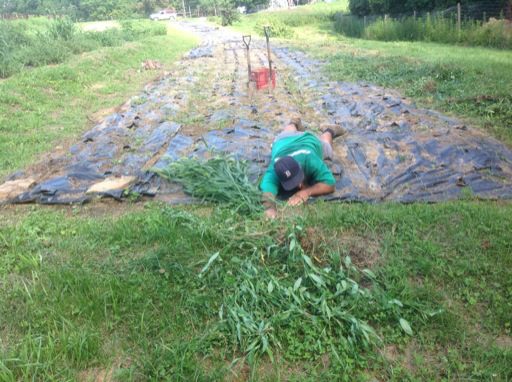
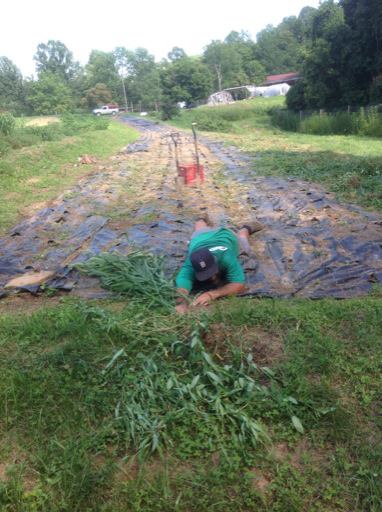
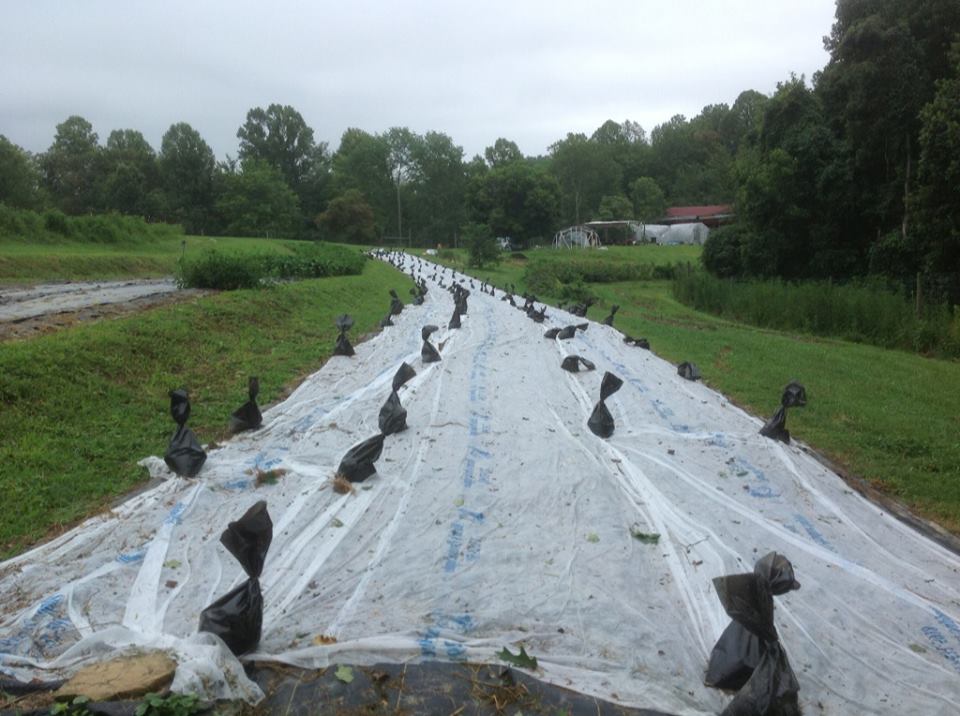
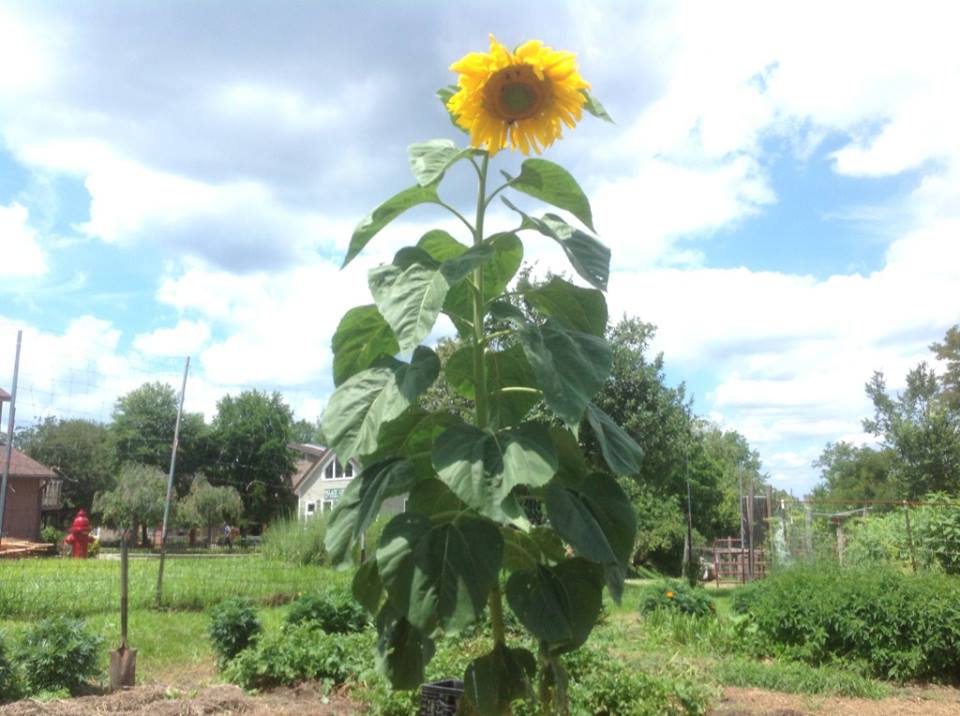
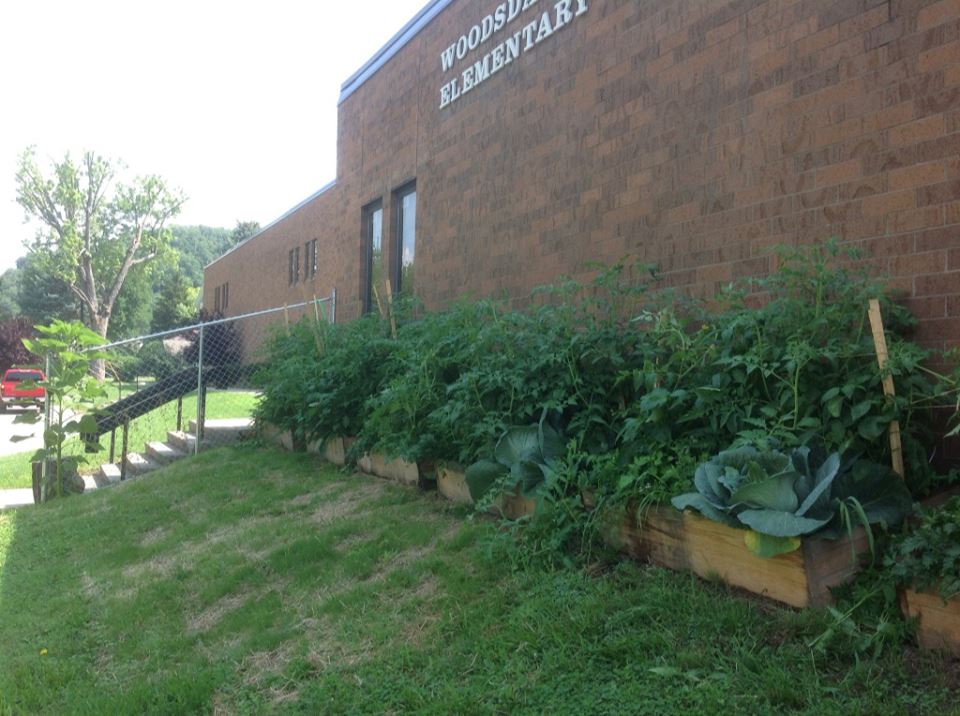
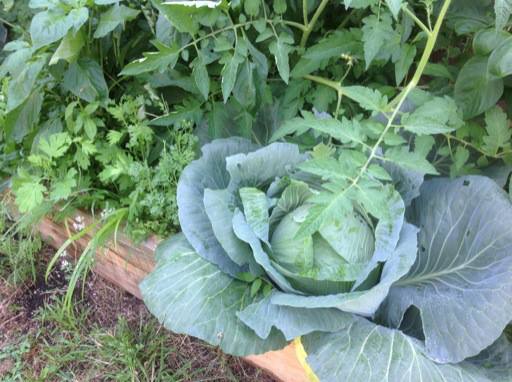
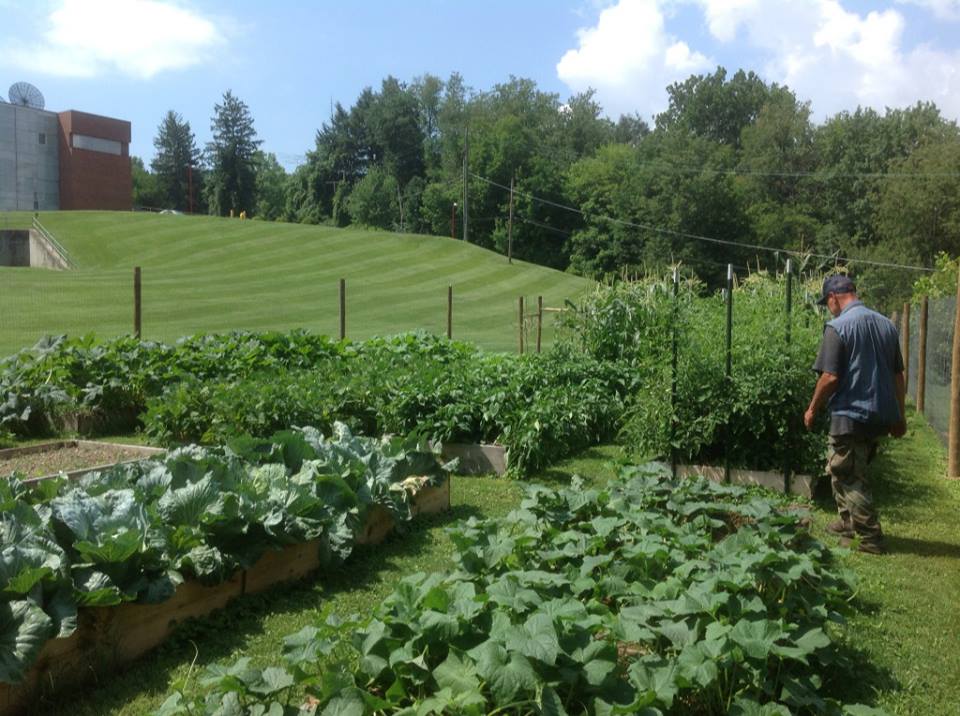
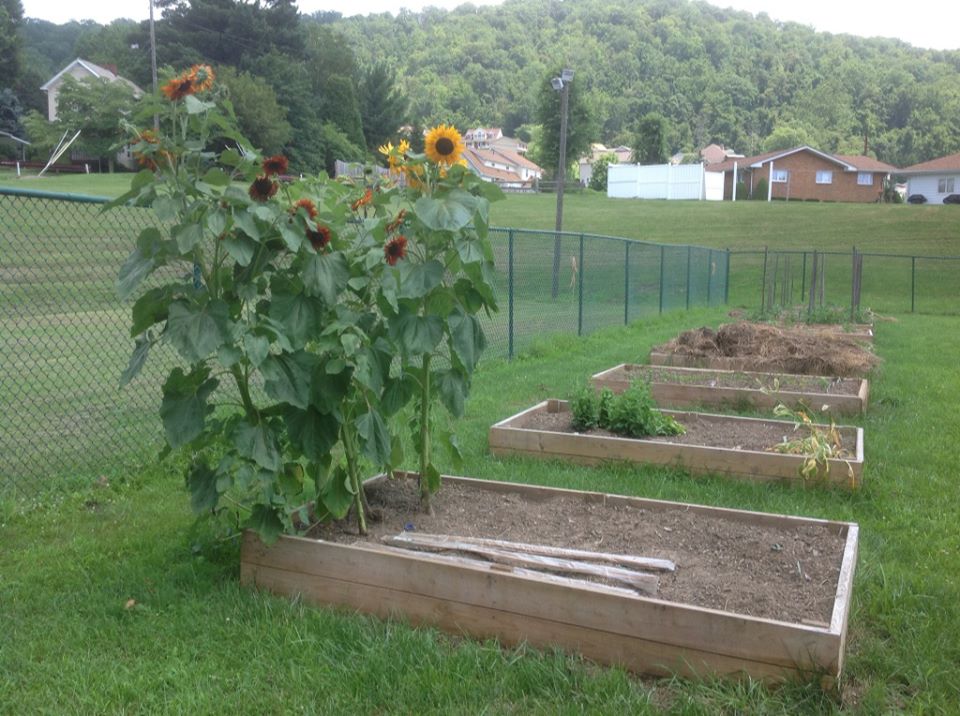
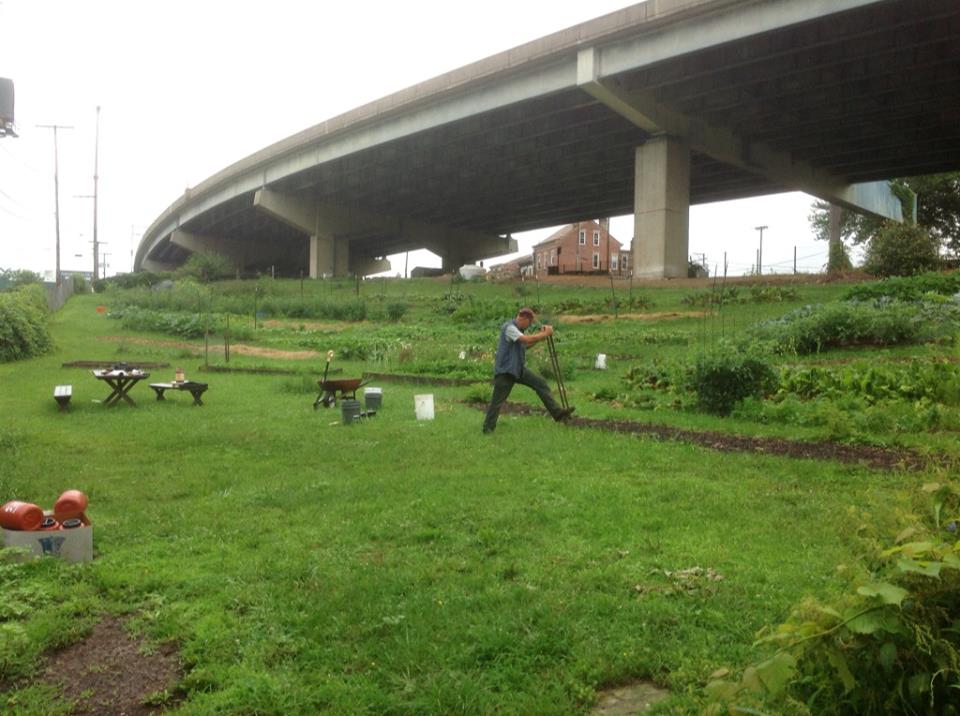
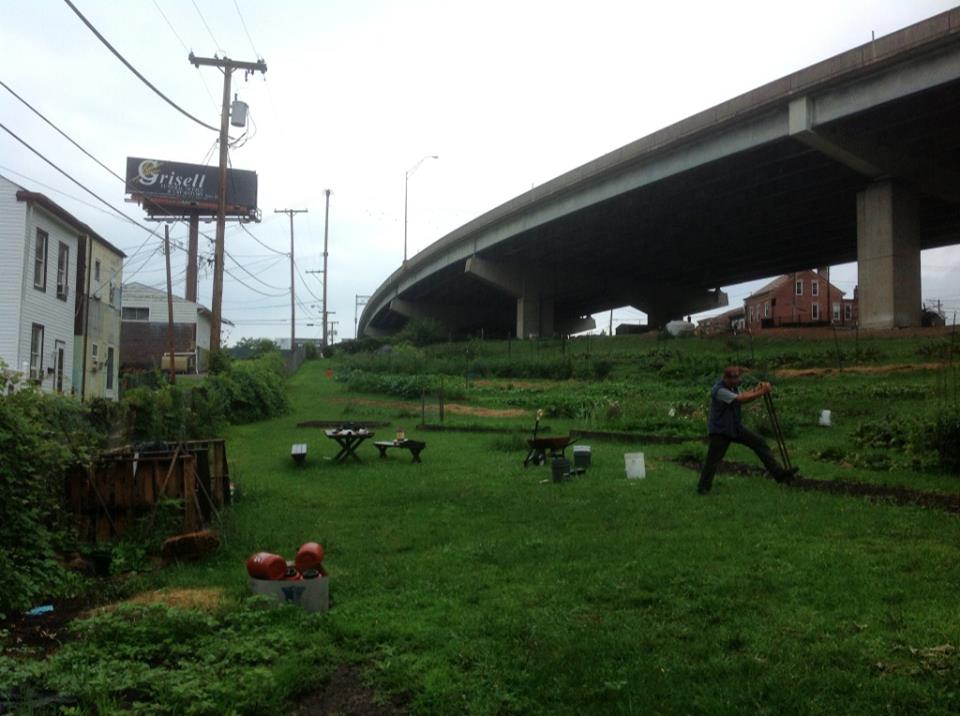
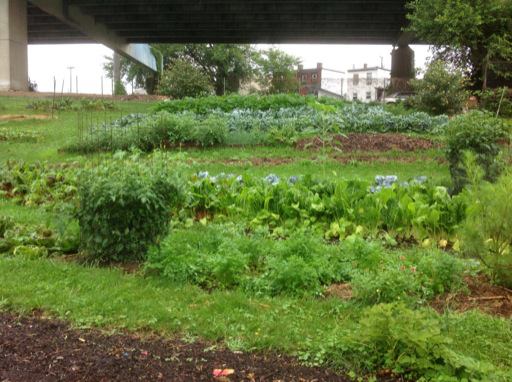
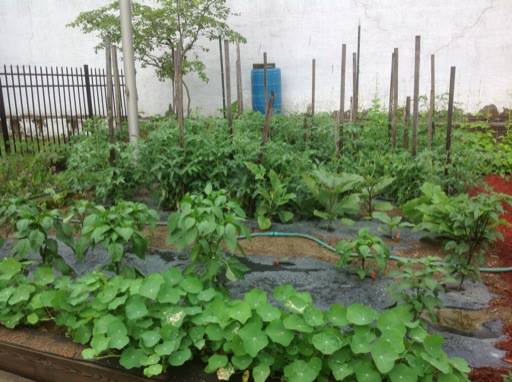
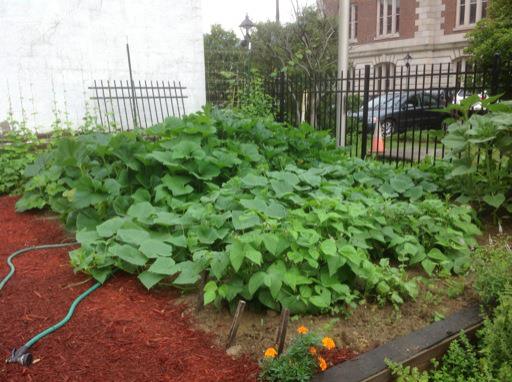
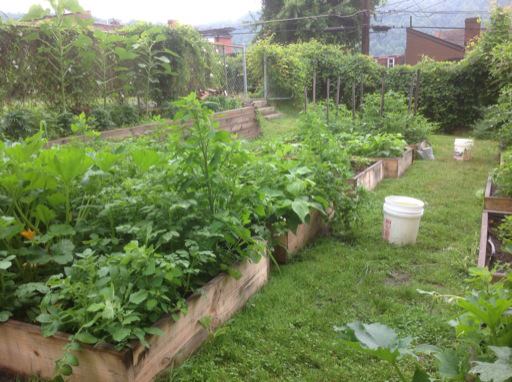
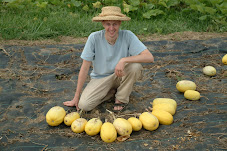
The Small Farm Training Center (SFTC) is a land based educational center and a hands-on working organic farm. Our purpose is to create community -- a web of supportive relationships -- by making locally grown organic foods readily available and affordable with the use of simple technology.Although I've spent 30 plus years farming and gardening in Appalachia, I don't consider myself a "local." You might say I'm spoiled. My grandfather's farm in Northern Michigan, where I was raised, is both flat and fertile. West Virginia hillside farming is daunting. The soils here -- like the air, the streams and the people themselves -- have been used and abused for 150 years.The "real" locals, those who can trace their heritage back for two or three generations, love Appalachia. That spark of original mountain culture permeates their very being, Unfortunately, their bodies tell a different story. Morbid obesity and diabetes are the norm. That's the price you pay when you no longer grow what you eat and eat what you grow. Like most Americans, their industrially grown food is starving them nutritionally while fattening them for the "big round-up" by the pharmaceutical and health insurance industries.Something is out of balance. The Small Farm Training Center is one of many local organizations challenging this dying paradigm. We farm, we garden, we teach, we encourage, we improvise and most importantly we listen to input. We also call a spade a spade when it comes to identifying the political, economic, cultural and spiritual stumbling blocks to restoring the environment and securing a safe, stable food supply... We nourish both person and place.
All privately held corporations are living a lie. They believe we live in a world where capital has the right to grow and that right is higher than the rights of people, If you're one of those people who passively accept corporate domination of America's food supply and political life, be forewarned, we don't. Corporations are no more a part of the natural order than the English monarchy was 200 years ago. They want us to believe that industrial agriculture is the only way to feed the world. That's a lie. They want us to believe that it is cheaper to destroy the earth than to take care if it in real time. That's another lie. At the heart of their economic system and theory is the proposal that life is too expensive. We disagree. We choose life and we're going to tell our own story. We're looking for paradigm warriors who can expand the conversation and are fluent in the language of inclusion, kinship and possibility.
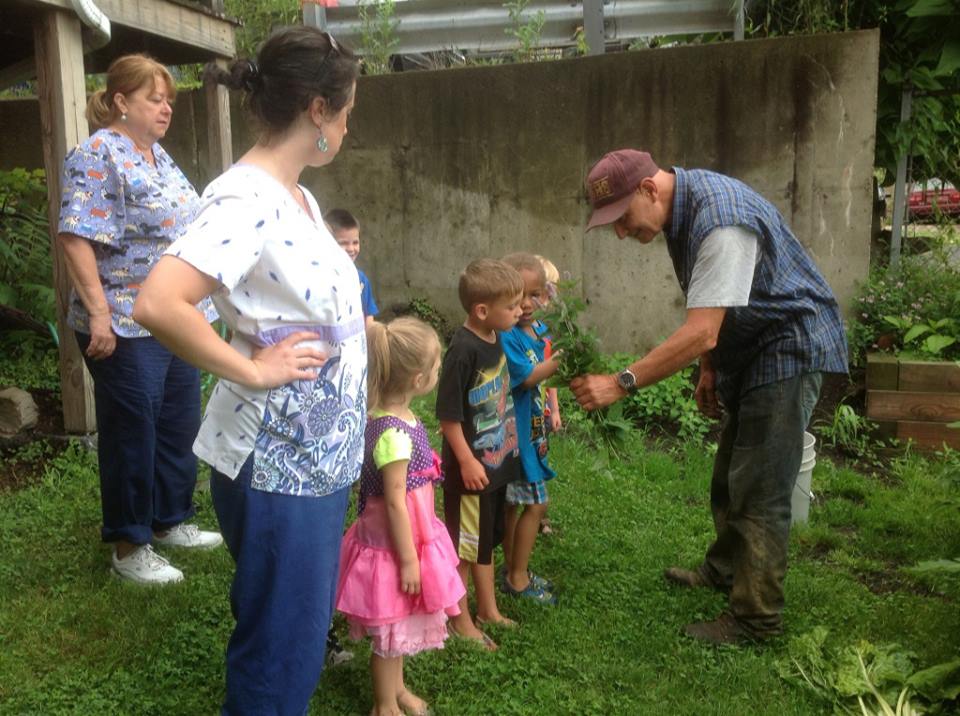
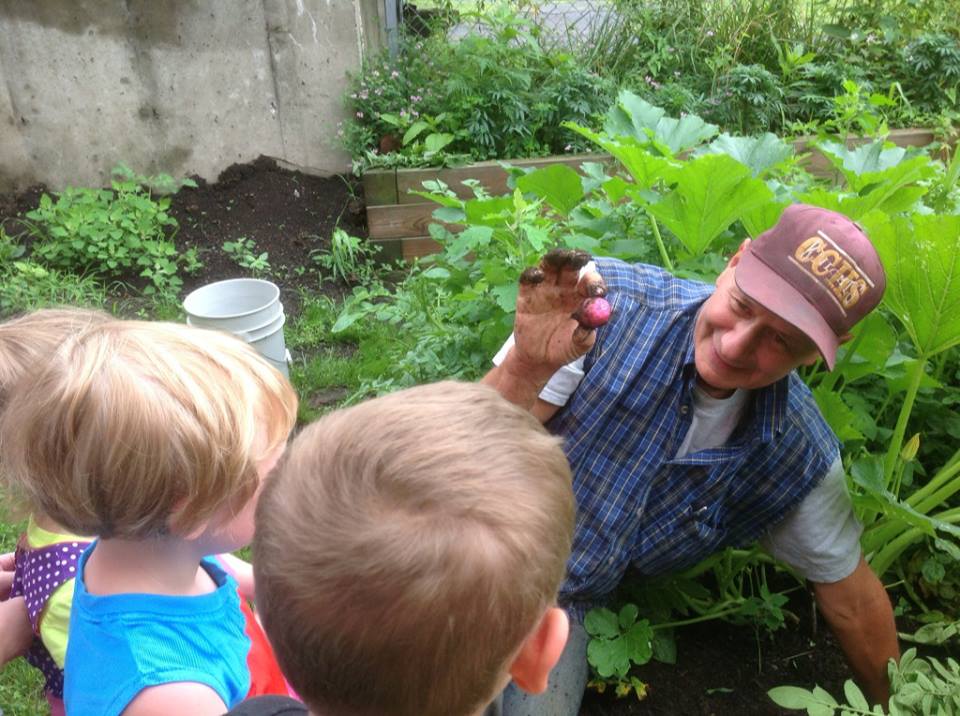
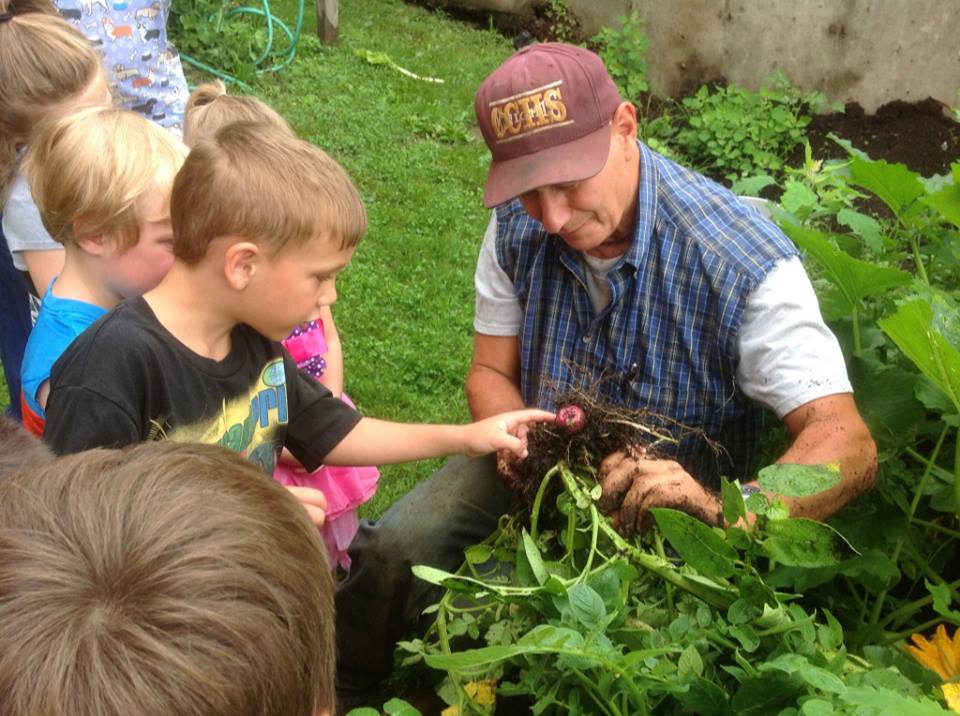
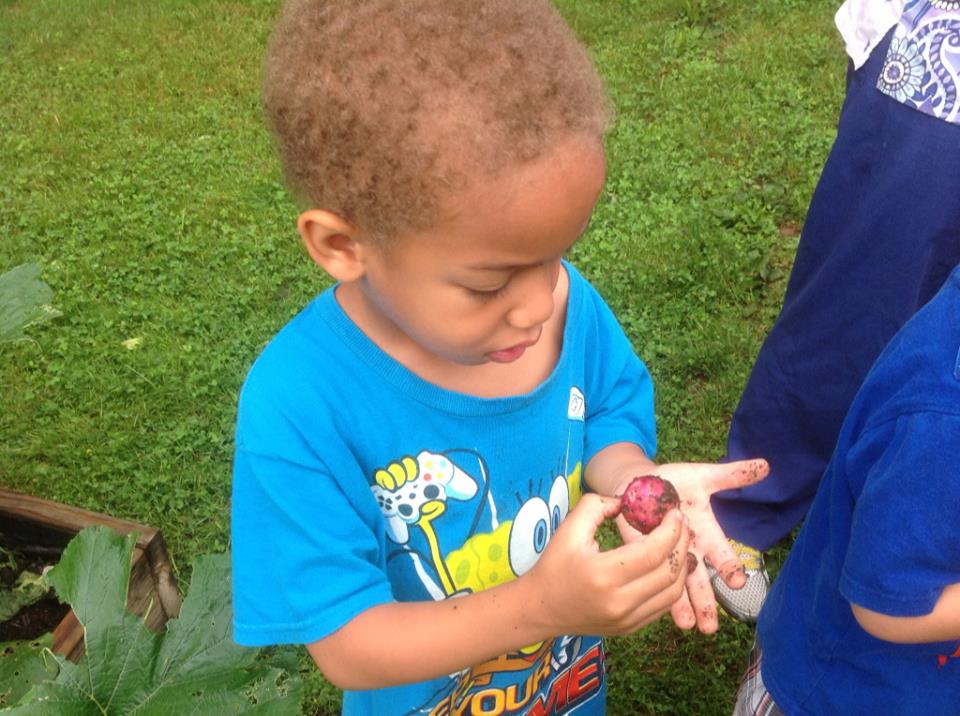
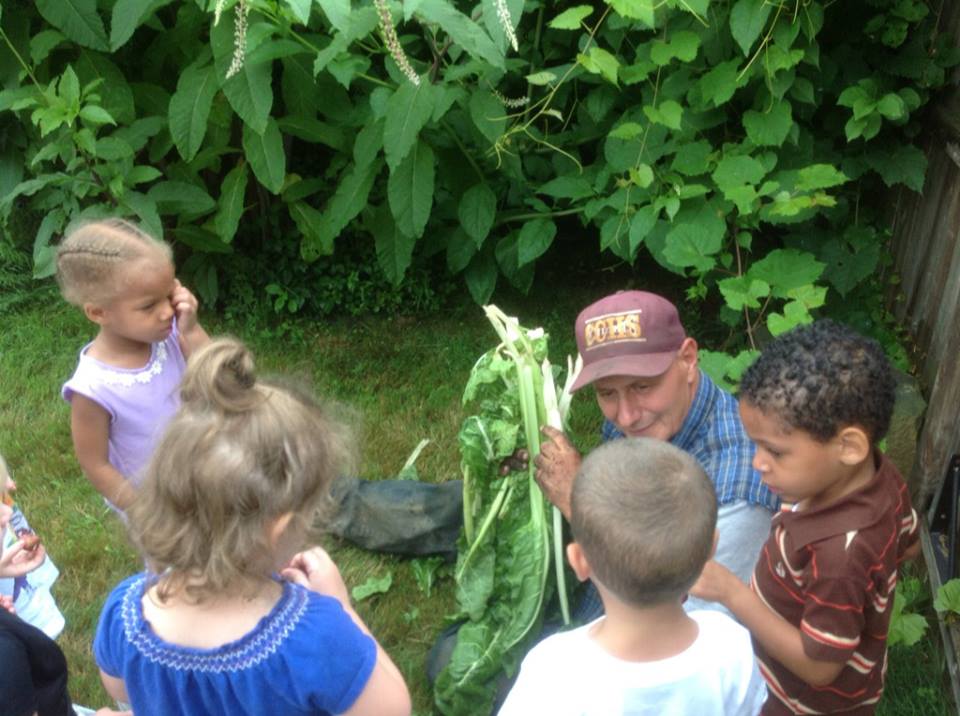
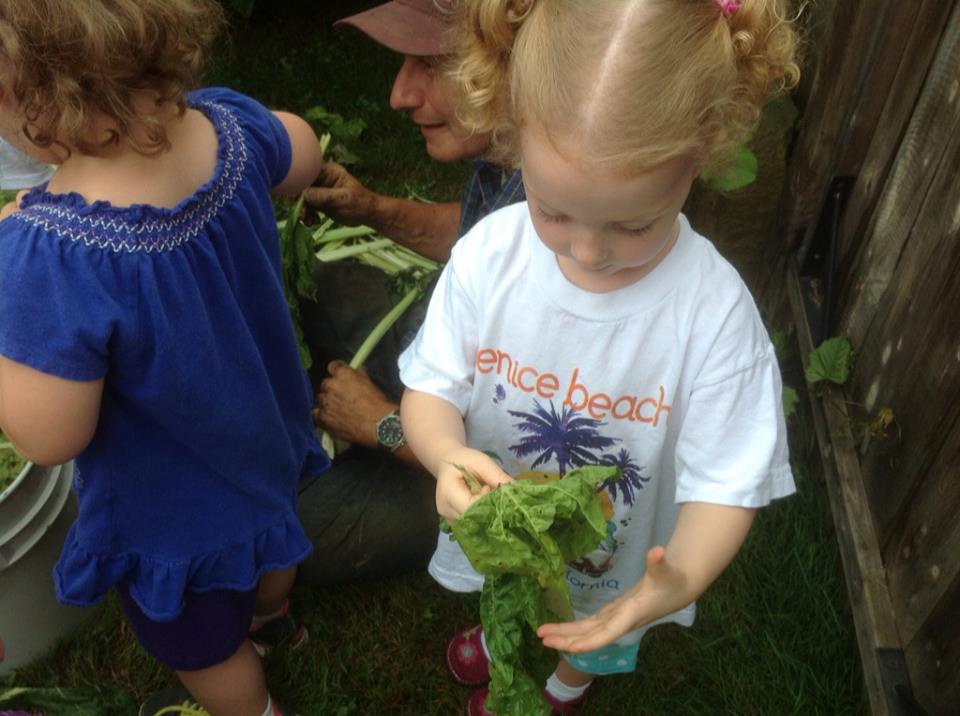
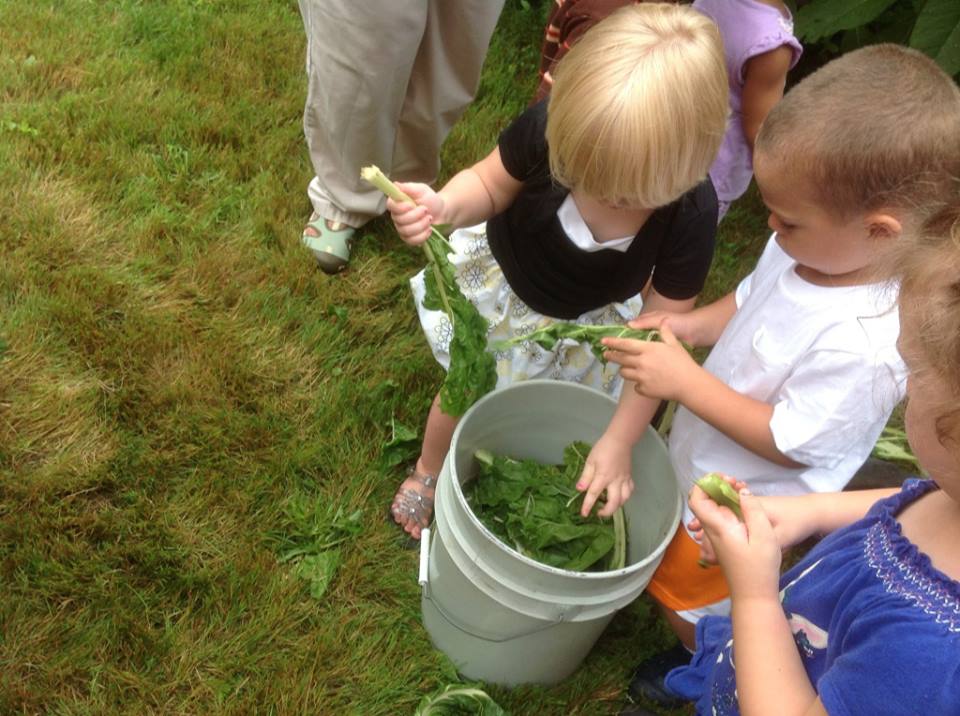
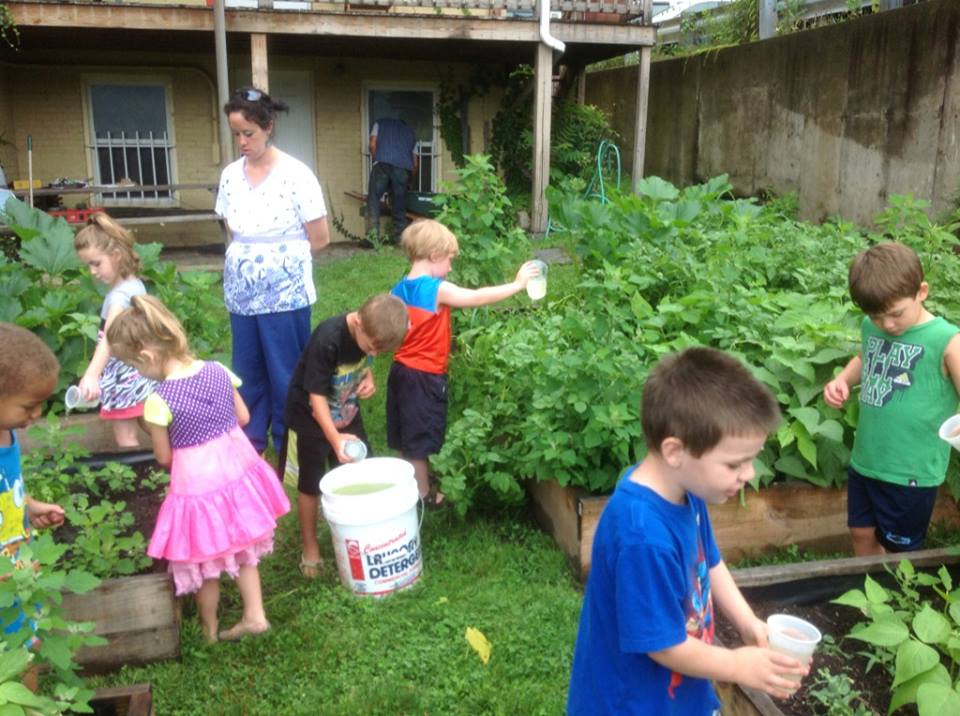
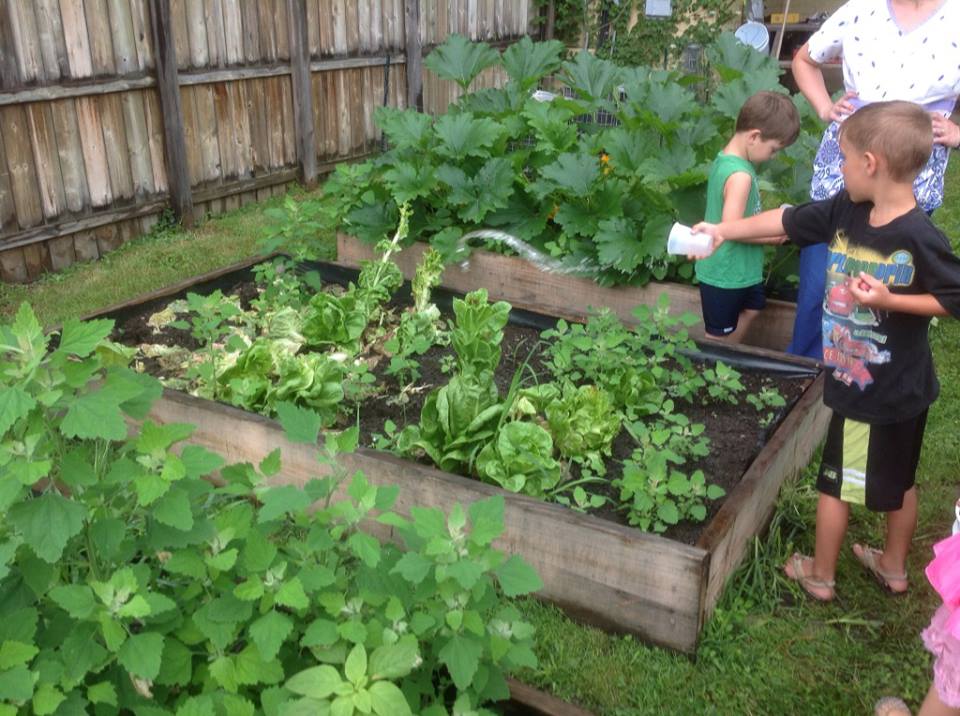
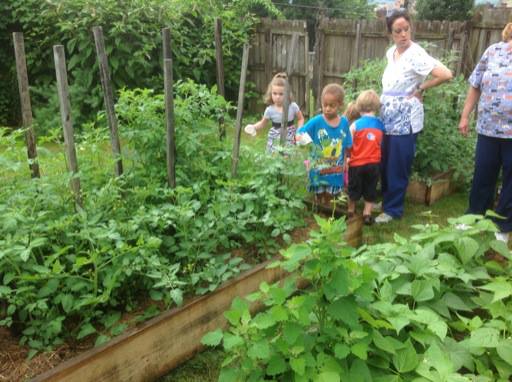
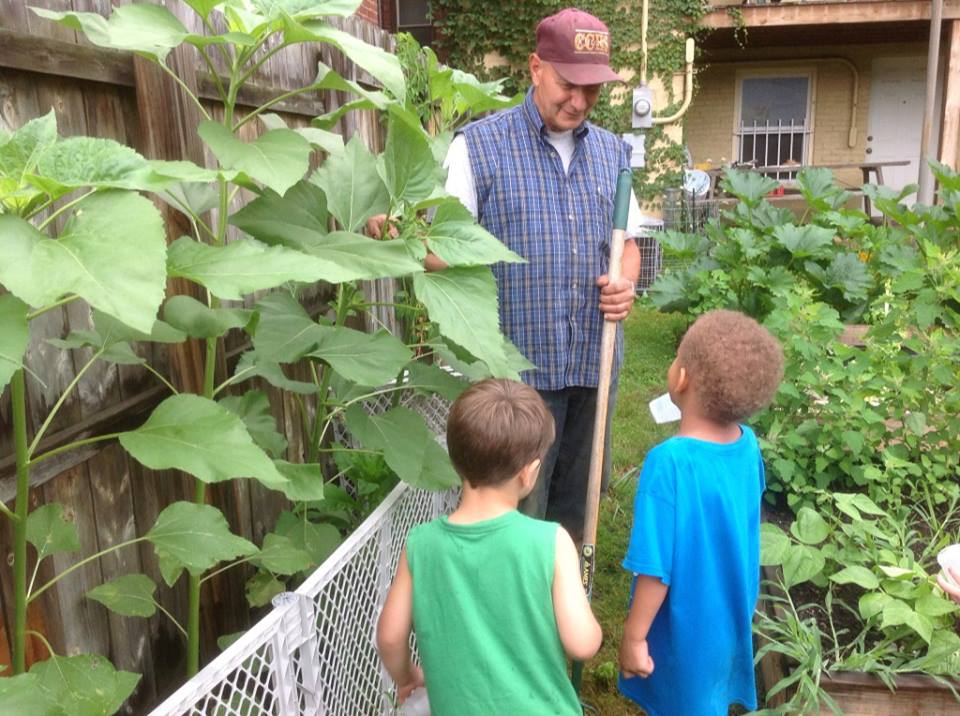
Learning by doing, and then teaching it to others -- that's how you earn your degree in bio-citizenship. Yoga, vegetarian cooking, and the care of farm animals -- especially milk cows -- are additional features of our curriculum. We also regularly distribute surplus organic veggies to soup kitchens and local charities. Turn off the boob-tube, shut down your laptop and pick up your hoe.
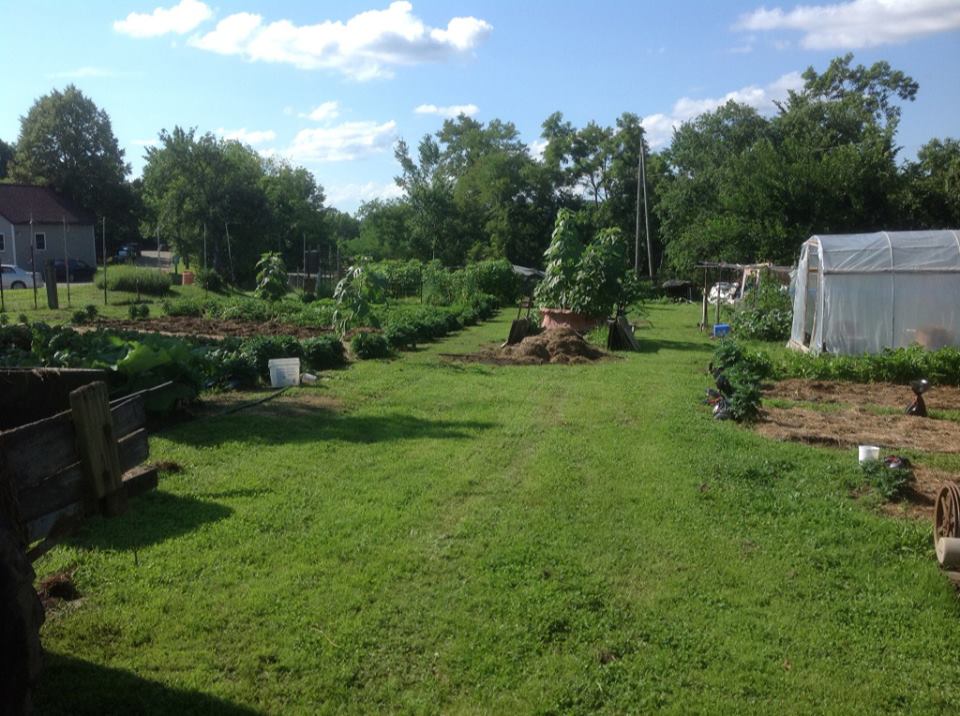
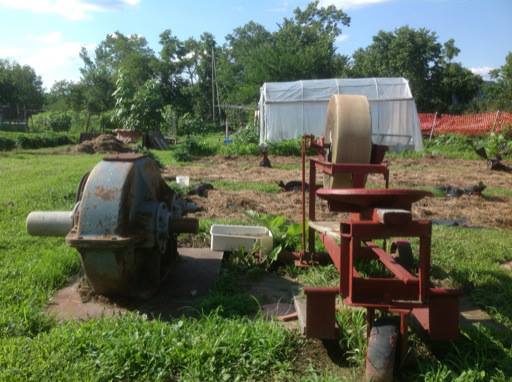
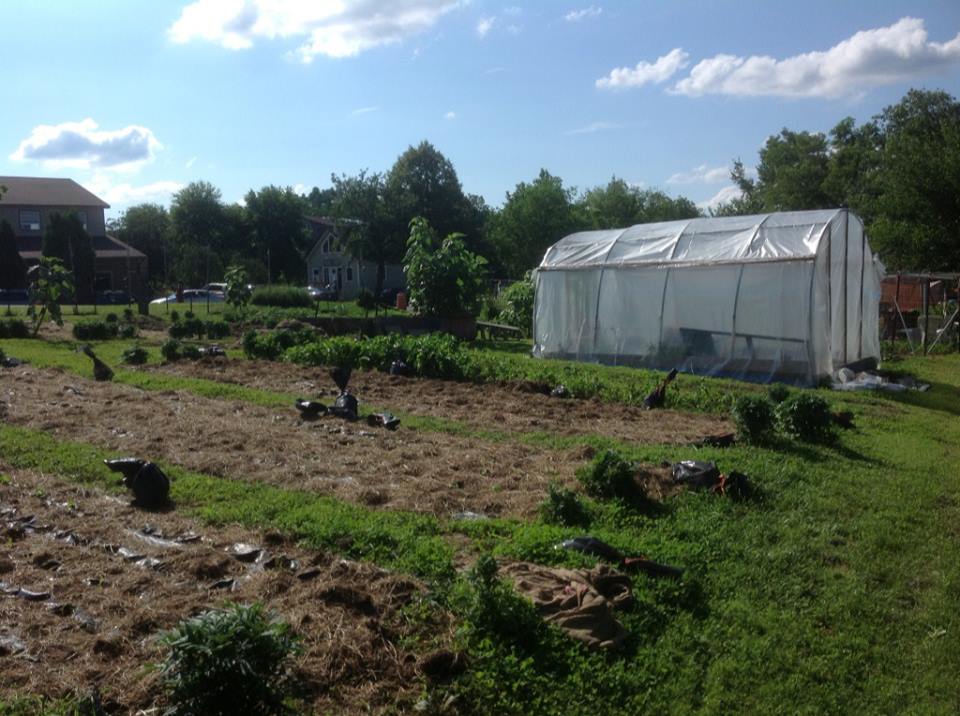
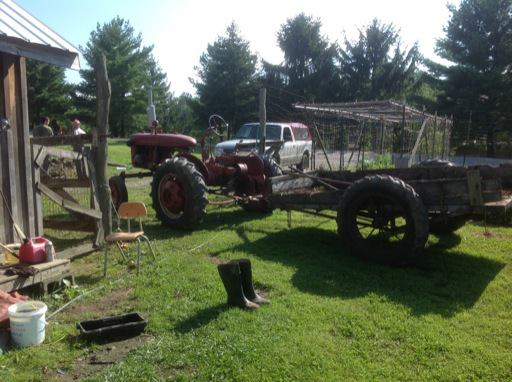
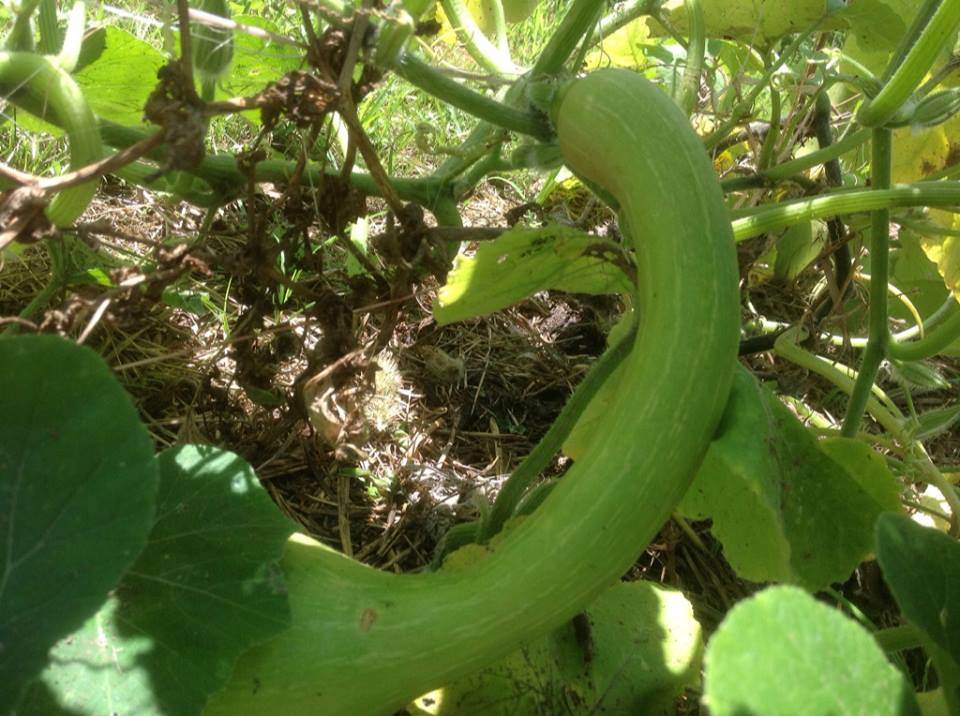
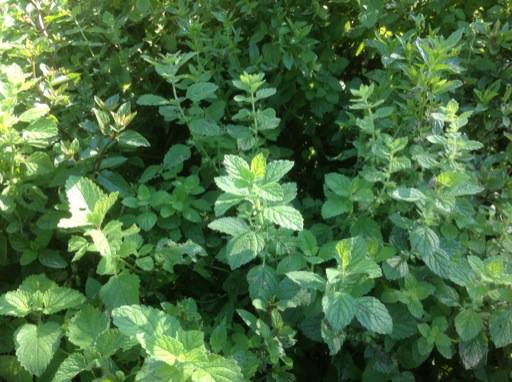
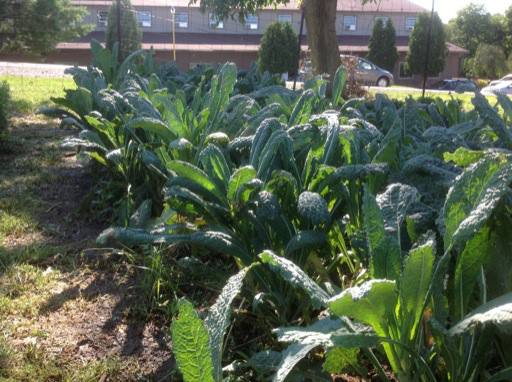
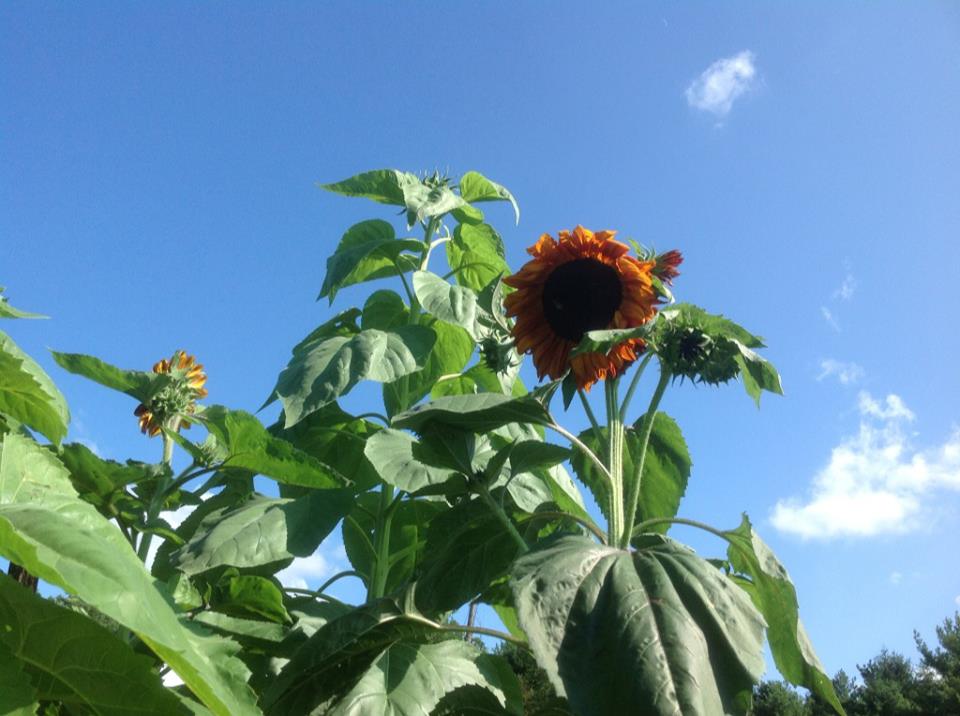

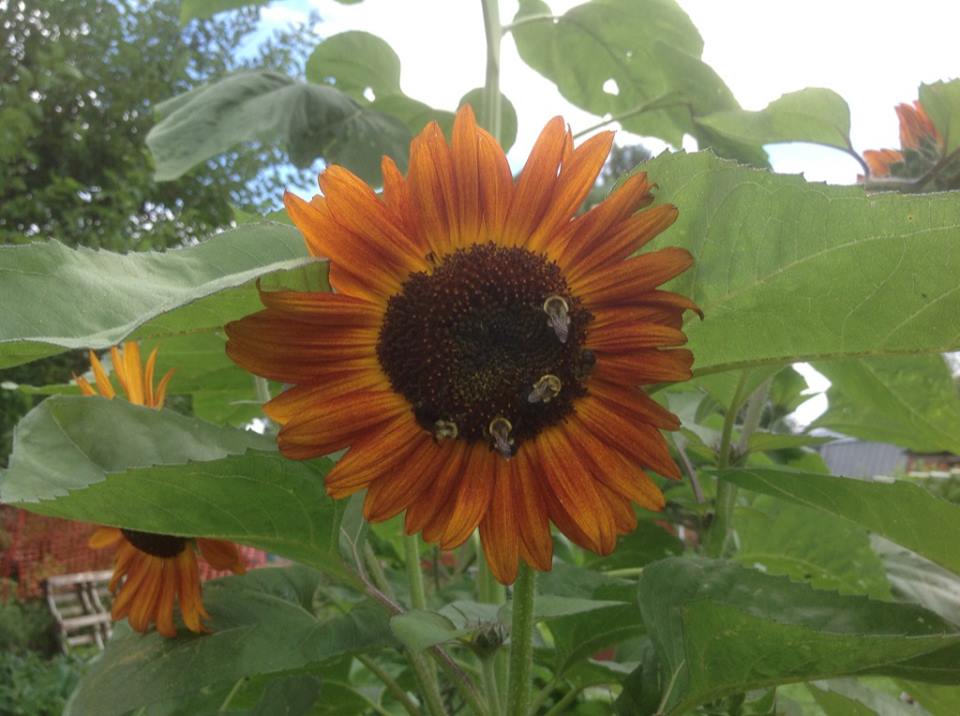
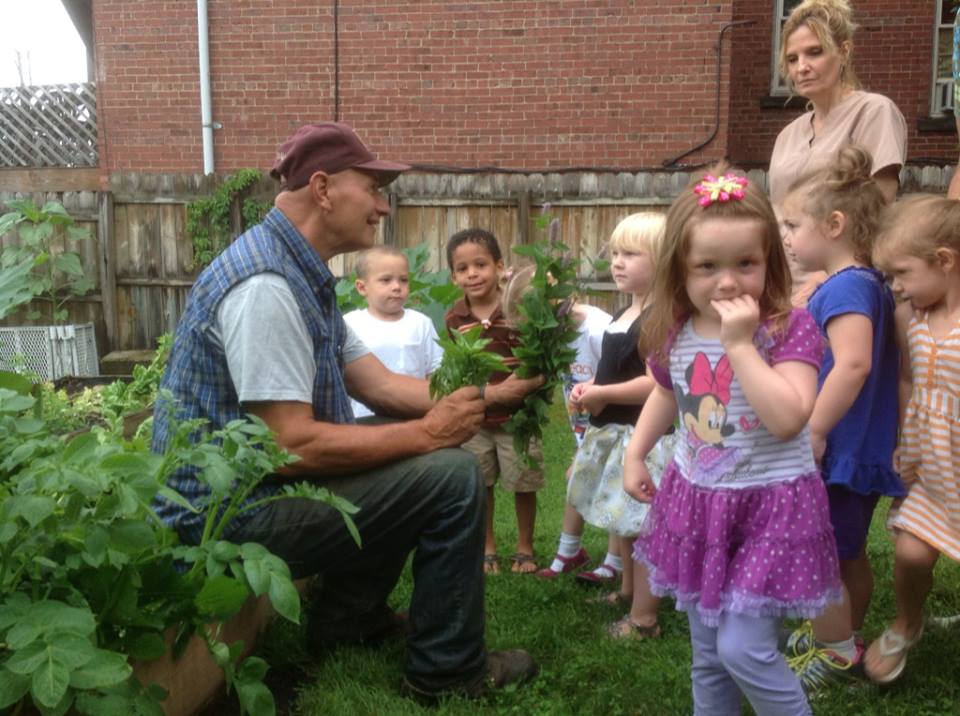
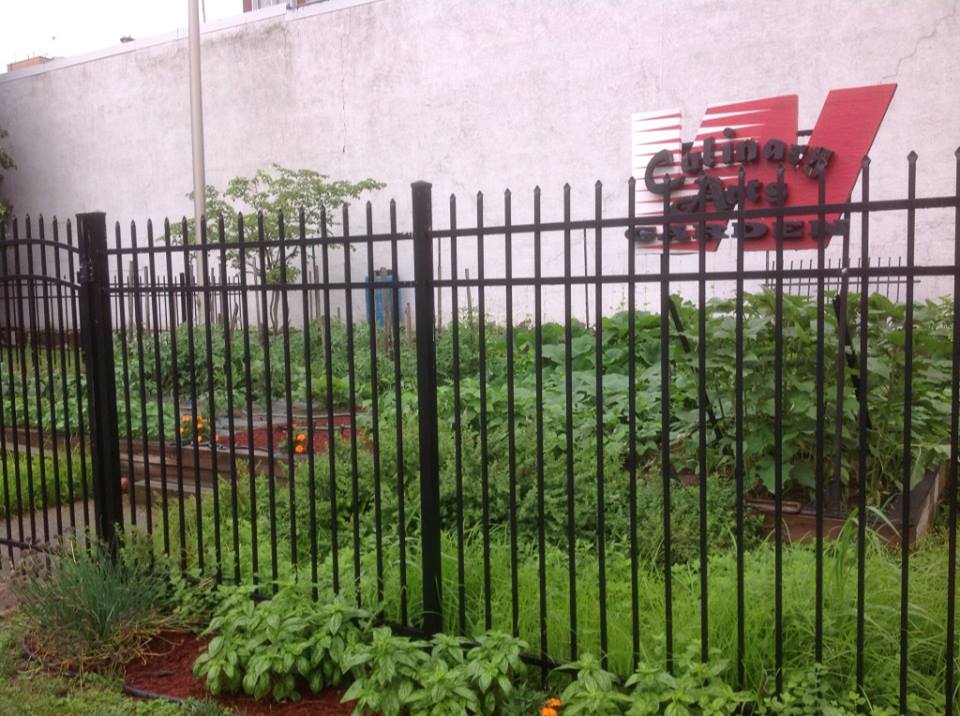
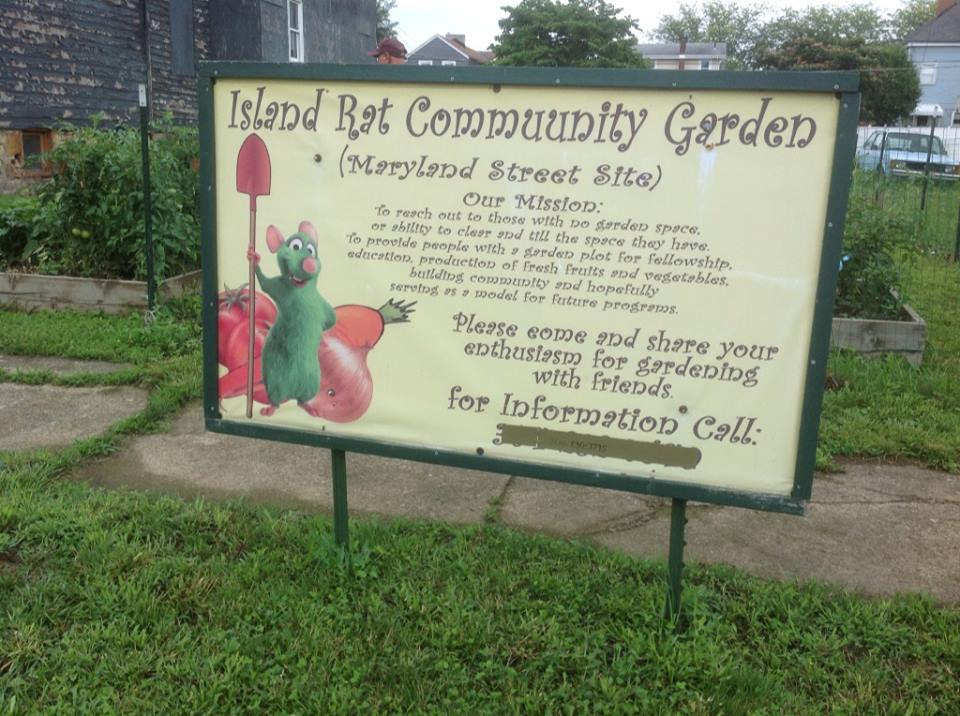
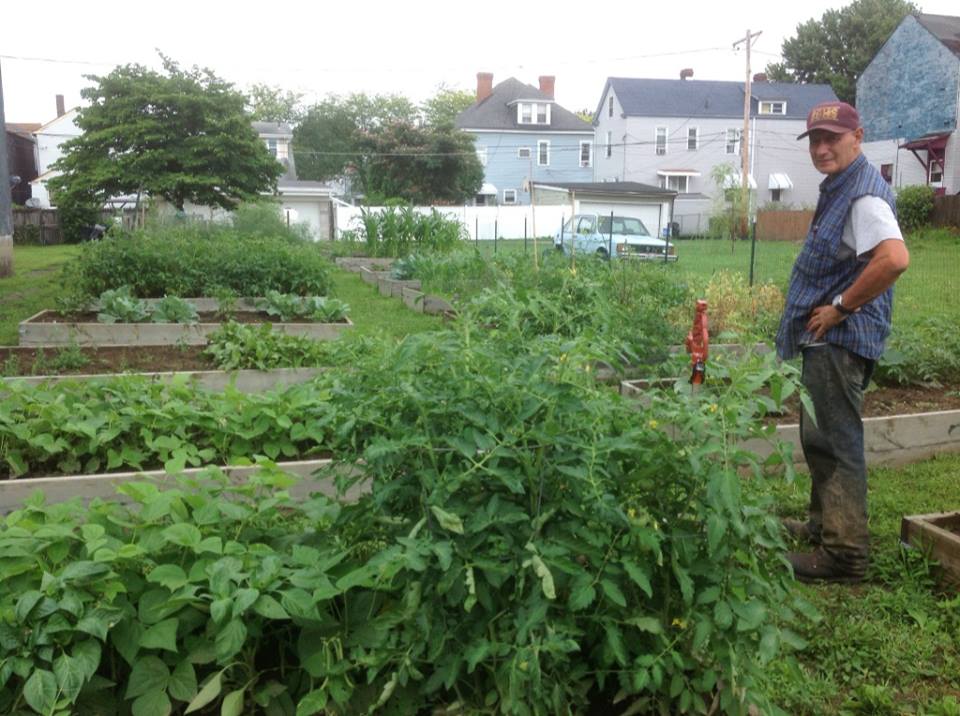
"Just sustainability highlights the pivotal role that justice and equity could and should play within sustainability discourses. In so doing, it fundamentally challenges the current, dominant, stewardship-focused orientation of sustainability, which has as its main concern the conservation of the natural environment, namely environmental sustainability...Transformative or just sustainability implies a paradigm shift that requires sustainability to take on a redistributive function. To do this, justice and equity must move center stage in sustainability discourses, if we are to have any chance of a more sustainable future."In spending time with Terry as an apprentice at his Small Farm Training Center in nearby Moundsville, W. Va., I've had the chance to see and experience the Green Wheeling Initiative first-hand and in action. Terry has introduced me to the very people who give life to the local food movement in Wheeling, who understand, despite being in the "belly of the beast" in West Virginia, where the poverty and obesity epidemics reign supreme, that they can reclaim the health and wealth in their own backyards.




 Posts
All Comments
Posts
All Comments


